


Key Takeaways
- Watery eyes often result from dryness, blocked drainage, or irritation from wind, allergies, and screens.
- Drops can lubricate the surface of your eyes, calm irritation, and steady your tear film.
- Different drops suit different needs, from daily comfort to seasonal allergies.
- An eye exam can pinpoint the source of watery eyes.
Why Your Eyes Water in the First Place
While it may seem contradictory, dry eye syndrome can cause watery eyes. This happens when your body tries to compensate for dry eyes by overproducing tears. However, these extra tears don’t usually provide enough lubrication.
Eye drops can help with watery eyes caused by dryness or irritation, but not with watery eyes caused by other factors. If you’re suffering from dry eye, our team at Eyestyle Eyecare can perform an assessment of your tear film and recommend a dry eye therapy to help you find lasting relief.
What Causes Watery Eyes?
Watery eyes have a few common causes:
- Dryness that sends your eyes into overdrive, producing reflex tears to compensate
- Blocked tear ducts or drainage problems that trap tears with nowhere to go
- Allergies, wind, or long hours staring at a screen
Eye drops can provide relief in the first and last situation, but blocked tear ducts require other treatments.
How Eye Drops Help Watery Eyes
When your eyes are persistently dry, your body tries to address the problem by flooding your eyes with watery reflex tears. However, reflex tears don’t have enough oil and mucous, so your eyes end up drying out again.
In many cases, eye drops can help break this cycle. A good lubricating drop coats the surface of your eye, provides moisture, and reduces irritation. This prompts your eyes to stop overproducing tears.
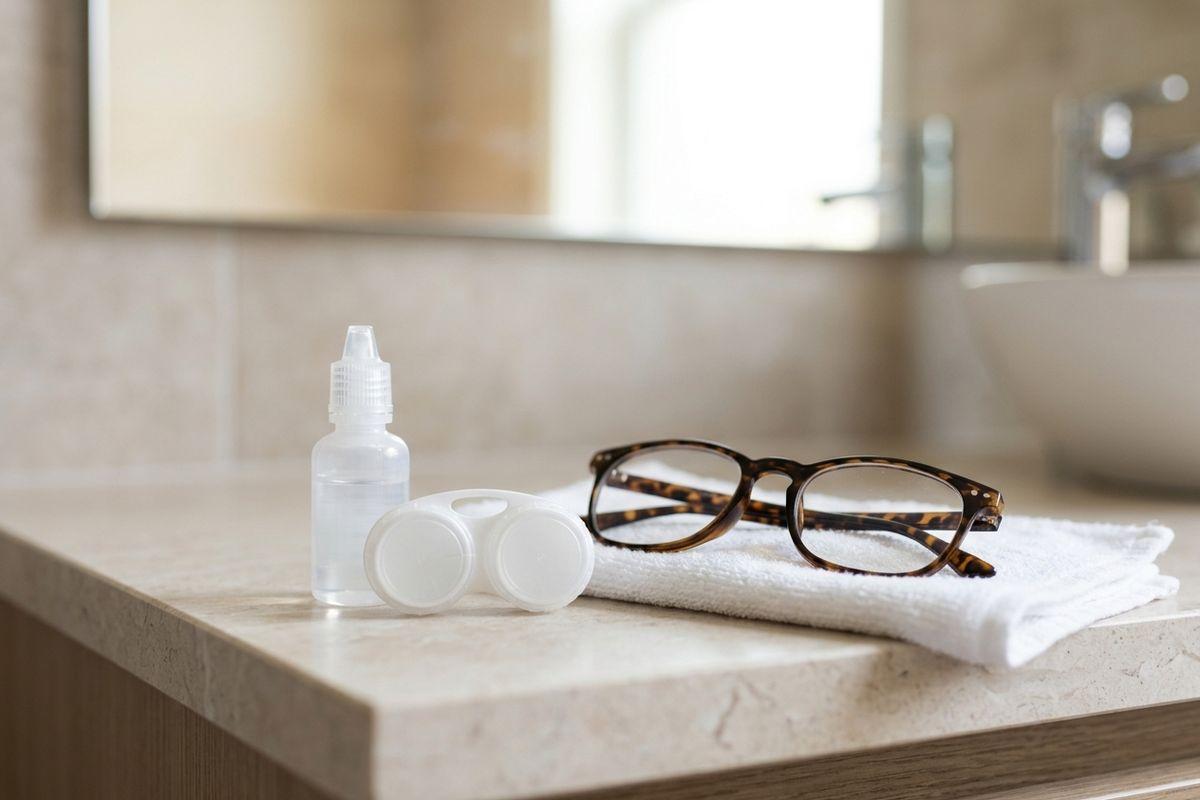
Eye Drops & Dry Eye
While drops can help with dry eye, it’s important that you choose the right drops. Here are some of the common options:
- Artificial tears for everyday comfort and quick moisture
- Preservative-free drops for frequent use, since they skip ingredients that can irritate over time
- Allergy drops for seasonal flare-ups when pollen sets your eyes off
However, eye drops aren’t always enough. They can’t reach beyond the surface of your eye, so they can’t help a blocked duct or repair an unstable tear film on their own. This means that, if your dry eye is caused by something like blocked meibomian glands, you may want to consider professional treatment and dry eye therapy.
Symptoms of Dry Eye
If you’re wondering how to tell whether you have dry eye, here are some of the common symptoms:
- Stinging or a gritty, sandy feeling
- Blurry vision that comes and goes
- Redness that lingers instead of fading
- Light sensitivity or general discomfort
If these sound familiar, eye drops might help with your watery eyes.
How an Eye Exam Pinpoints the Source of Discomfort
If drops don’t help, or if you want to take the time and guesswork out of finding relief, we recommend an eye exam. Using tools like the InflammaDry test, our team at Eyestyle Eyecare in South Surrey and Kelowna can examine your tear film, determine whether it’s breaking down, and check for drainage issues or other problems.
Book a dry eye exam today and walk out with clear answers.